
Britain Seeks a Reset with Beijing as Treasury Chief Heads to China for High-Level Economic Talks

Britain’s Chancellor of the Exchequer is preparing to embark on a pivotal diplomatic mission to China this weekend, marking the most significant effort in years to restore structured economic engagement between London and Beijing. The visit signals the Labour government’s intention to rebuild a relationship that has been strained by geopolitical tensions, security concerns, and the long disruption caused by the pandemic.

Chancellor Rachel Reeves will spend several days in Beijing and Shanghai, where she is expected to meet with senior Chinese officials — including Vice Premier He Lifeng — to discuss trade, investment, and broader financial cooperation. The Treasury confirmed that reviving the long-stalled China–U.K. Economic and Financial Dialogue (EFD) will be central to the agenda, reflecting a renewed push for stability and pragmatism in the bilateral relationship.


A Strategic Visit Aimed at Rebuilding Trust

Reeves’ trip comes at a critical moment for the U.K., which is grappling with sluggish economic growth and seeking new avenues for international trade partnerships. Britain has designated China as its fourth-largest single trading partner, but diplomatic friction and global uncertainty have weighed heavily on bilateral cooperation in recent years.

Restoring a Key Platform for Economic Engagement

At the heart of Reeves’ mission is the relaunch of the EFD, a once-annual dialogue that served as a key mechanism for resolving market-access issues, fostering regulatory cooperation, and supporting commercial ties across multiple industries. The forum has been dormant since 2019 due to the COVID-19 pandemic and a steep decline in relations following a series of political disputes.

British officials hope restarting the dialogue will help lower trade barriers that U.K. companies face in China, particularly in financial services, automotive manufacturing, consumer goods, and advanced technologies. The government views the EFD as a crucial tool for strengthening commercial relations while maintaining safeguards around national security.

Balancing Engagement with Firm Political Messages

While economic issues will dominate the visit, Reeves is also expected to address several sensitive geopolitical topics. According to the Treasury, she will urge Beijing to cease material or financial support for Russia’s war effort in Ukraine. Additionally, she will raise long-standing concerns about civil liberties and freedoms in Hong Kong — an issue that remains a point of contention between the two governments.

This dual approach reflects the Labour government’s emerging China strategy: increasing cooperation where possible, but remaining vocal about disagreements on security and human rights.


High-Level Delegation Reflects the Visit’s Importance

Reeves will be joined by a substantial delegation representing Britain’s financial institutions and regulatory bodies, underscoring the trip’s economic focus. Bank of England Governor Andrew Bailey, the chief executives of the Financial Conduct Authority and the London Stock Exchange Group, and senior leaders from major banks including HSBC and Standard Chartered will accompany her.

Showcasing British Business in China

During her stay in Beijing, the chancellor is expected to visit several prominent U.K. companies operating in the Chinese market. These include Jaguar Land Rover, which has an extensive manufacturing and distribution presence in the country; Diageo, known for its strong whisky exports; and Brompton, the iconic folding bicycle manufacturer.

These visits are intended to highlight the contribution of British firms to the Chinese market and to demonstrate the government’s support for businesses seeking to expand their footprint in Asia.


A Broader Diplomatic Effort Under the Starmer Government

Reeves’ trip follows a series of recent high-level engagements aimed at recalibrating the U.K.’s approach to China. Foreign Secretary David Lammy visited Beijing in October, while Prime Minister Keir Starmer met President Xi Jinping on the sidelines of the G20 summit in Brazil in November.

A “Pragmatic” Approach to a Complex Relationship

Starmer, who entered office in July, has outlined a policy framework built on what officials refer to as the “three Cs”: challenge, compete, and cooperate. This means confronting Beijing on issues such as security risks and human rights abuses, competing in areas like advanced technology and global supply chains, and cooperating on shared priorities including climate change, health security, and the transition to clean energy.

The Labour government argues that complete disengagement from China is neither realistic nor beneficial for the U.K.’s long-term interests. Instead, ministers have promoted a nuanced strategy that balances economic opportunity with national security vigilance.

Criticism from the Opposition

Not all political voices in Westminster support the government’s approach. Several figures within the Conservative Party have criticized Starmer for what they view as an overly conciliatory stance. They argue that strengthening economic ties should not overshadow concerns about espionage, cybersecurity threats, and the erosion of democratic freedoms in Hong Kong.

These concerns intensified recently after reports emerged that an alleged Chinese agent had developed close connections with prominent British figures, including Prince Andrew, while carrying out covert political activities on behalf of China’s Communist Party. Intelligence officials have cited the case as evidence of Beijing’s increasingly sophisticated influence operations.

Despite the criticism, Lammy has emphasized that many sectors of U.K.–China trade pose no security risk and that pursuing economic cooperation does not preclude taking firm positions on sensitive issues. Reeves is expected to echo these messages during her visit.


Economic Stakes for the United Kingdom

The U.K.’s renewed focus on China comes as Britain faces persistent economic challenges, including low productivity growth, weak business investment, and uncertainty in global markets. China remains a vital destination for British exports and a significant source of inward investment, although relations have cooled in the past five years.

Opportunities for British Industry

For British manufacturers, financial firms, and consumer brands, China’s vast market offers potential for growth — particularly in sectors where U.K. companies have strong international reputations. Automobiles, spirits, pharmaceuticals, renewable energy technology, and financial services are among the industries with the most to gain from improved market access and regulatory cooperation.

Financial institutions, in particular, are eager to expand services in China’s rapidly evolving capital markets. Senior figures from the City of London hope that the revival of the EFD could lead to more predictable regulatory frameworks and increased collaboration between the two countries’ financial regulators.

Managing Risks and Safeguards

British officials remain clear that economic engagement must be accompanied by robust protections for national security, data privacy, and technological resilience. The government continues to enforce restrictions on sensitive technologies such as advanced semiconductors and telecommunications equipment. Ministers have also stressed the need for diversified supply chains to reduce overdependence on any single market.

This balanced approach aims to position the U.K. as a reliable partner to China without compromising strategic interests or democratic values.


Looking Ahead: A Delicate but Necessary Reset

Rachel Reeves’ visit to China represents a significant milestone in the Labour government’s effort to reshape U.K.–China relations. While the partnership faces ongoing political tensions and competing strategic priorities, both sides stand to benefit from restored dialogue and practical economic cooperation.

The revival of the Economic and Financial Dialogue — if successful — could provide a structured platform for addressing commercial barriers, encouraging bilateral investment, and stabilizing a relationship that has been unsettled for several years. For Britain, the trip reflects a broader recognition that engagement, rather than isolation, is essential in navigating the complex realities of global geopolitics.


Ontario Councillor Proposes $100,000 Initiative to Tackle Rising Food Insecurity in Peel Region

Food insecurity has become one of the most pressing social challenges in the Peel Region, affecting tens of thousands of households every year. With demand at food banks climbing and donations struggling to keep pace, local officials are exploring new ways to ensure residents have reliable access to nutritious, culturally appropriate food. In response to these growing concerns, a Mississauga city councillor is urging the region to invest in a comprehensive study that could reshape how food is distributed across the area.

At an upcoming regional budget meeting, Councillor Martin Reid of Ward 9 plans to introduce a motion proposing a $100,000 allocation toward researching and developing a centralized food distribution model for Peel. The goal is to create a more coordinated system that not only meets urgent needs but also addresses the systemic barriers contributing to long-term food insecurity.

A Worsening Crisis Across Peel Communities

The statistics paint a concerning picture. In 2024, an estimated 28 per cent of households in Peel experienced some level of food insecurity, a notable increase from 22 per cent the previous year. This jump represents more than 126,000 households struggling to consistently access adequate food, highlighting a growing crisis that has touched families in Mississauga, Brampton and Caledon.

Peel officially declared food insecurity a crisis in 2023, acknowledging the severity of the issue and its impact on community health and well-being. Since then, organizations across the region have reported sharp increases in demand for their services, as rising living costs, housing pressures and economic uncertainty leave more residents vulnerable.

Food providers have been feeling the strain directly. Over the past year, many organizations have experienced a rise in demand ranging from 40 to 60 per cent. These numbers go beyond a simple increase in visitors—they represent families skipping meals, seniors choosing between groceries and medication, and working individuals who still cannot afford basic necessities.

Local Food Banks Under Growing Pressure

Food Banks Mississauga, one of the region’s primary support networks, reported serving approximately one in every 13 residents in the city. This staggering figure illustrates just how widespread the problem has become. Even more striking is the organization’s report of more than 503,000 visits to its network of over 60 programs in the last year, the highest number in its history.

Nearly 40 per cent of those who sought assistance for the first time were new to the system, while almost 30 per cent of visitors were employed. These figures challenge outdated assumptions that food insecurity affects only the unemployed; in reality, many individuals with jobs are still unable to keep up with the rising cost of living.

Brampton and Caledon have experienced similar pressure. Knights Table, which serves Brampton, reported assisting roughly one in 16 residents. In Caledon, The Exchange recorded a 43 per cent increase in users, with more than a quarter of clients accessing services for the first time. These trends show that food insecurity is not limited to one municipality but is a shared regional issue requiring a coordinated solution.

The Proposed Centralized Food Distribution Model

Councillor Reid’s motion is focused on funding a detailed study into a centralized food distribution model for Peel Region. The proposed $100,000 would come from the 2026 community investment budget and would support a comprehensive analysis of how a regional system could be designed and implemented.

The idea behind the model is to create a streamlined approach to food distribution that goes beyond the current network of individual food banks and charities operating largely independently. Instead, the system would work in a coordinated manner to reduce duplication of services, improve efficiency and ensure that nutritious, culturally appropriate food reaches those who need it most.

According to the motion, community investment staff would be tasked with leading the study and preparing a report with findings and recommendations by the fall of 2026. This report would outline practical steps for creating a more effective, long-term solution to hunger in the region.

Focus on Cultural Appropriateness and Nutrition

One of the key elements of the proposed study is a focus on culturally appropriate and nutritious food options. Peel is one of Canada’s most diverse regions, home to residents from a wide range of cultural and ethnic backgrounds. A centralized model would aim to reflect this diversity by ensuring that the food provided aligns with cultural preferences and dietary needs, rather than offering a one-size-fits-all approach.

This aspect is especially important in maintaining dignity and respect for individuals seeking help. Access to familiar foods not only meets nutritional requirements but also supports mental and emotional well-being, helping families maintain a sense of normalcy during difficult times.

Funding Challenges Facing Food Banks

Despite their best efforts, food banks across Peel are struggling to keep up with rising demand. While donations from the community remain essential, they are no longer increasing at the same pace as the need for assistance.

Food Banks Mississauga’s 2025 Thanksgiving Drive is a clear example. The campaign raised $848,513, surpassing its goal of $800,000. While this achievement reflects generous community support, the overall increase in donations was less than one per cent compared to the previous year. During the same period, food bank usage rose by 20 per cent—a stark imbalance that underscores the growing gap between resources and demand.

The motion also points out that Peel Region is currently the only level of government providing direct funding to local food banks. Even with this support, organizations still depend heavily on fundraising efforts, grants and public donations to operate their programs. As inflation and economic pressures limit people’s ability to give, these traditional funding sources become less reliable.

A Modest Investment in a Much Larger Problem

Peel’s proposed 2026 community investment operating budget stands at $19 million, up slightly from $18.8 million in 2025. This budget supports a range of initiatives designed to reduce poverty and strengthen communities, including funding for non-profit organizations, anti-human trafficking programs, affordable transit services and engagement initiatives aimed at improving quality of life.

Within the context of this larger budget, the proposed $100,000 study represents a relatively small but potentially high-impact investment. Supporters of the motion argue that understanding how to better coordinate food distribution could lead to more efficient use of resources and ultimately reduce long-term costs associated with poverty and food insecurity.

By identifying systemic issues and opportunities for collaboration, the study could lay the groundwork for a sustainable model that benefits thousands of residents for years to come.

A Step Toward Long-Term Solutions

While emergency food programs remain essential, many advocates stress that they are not a permanent solution. Food insecurity is closely tied to broader issues such as affordable housing, employment, access to education and rising living costs. A centralized distribution model alone will not eliminate hunger, but it could significantly improve how the region responds to immediate needs while longer-term policy changes are developed.

Councillor Reid’s proposal reflects a growing understanding that addressing food insecurity requires both short-term support and strategic planning. The study would help Peel better understand where gaps exist, how resources can be shared more effectively and what steps are needed to create a more resilient food system.

Looking Ahead

If approved by regional council, the $100,000 allocation would mark an important step in Peel’s ongoing efforts to confront food insecurity head-on. The findings, expected by fall 2026, could influence not only local policies but also serve as a model for other regions facing similar challenges.

As more families across Mississauga, Brampton and Caledon turn to food banks for help, the urgency for innovative, coordinated solutions continues to grow. This proposed study represents a move toward understanding the problem at its root and building a system capable of responding with compassion, efficiency and long-term impact.

Conclusion

The rise in food insecurity across Peel Region has reached a critical point, demanding immediate attention and careful planning. With nearly one in three households affected in 2024, the need for a more effective approach is undeniable. Councillor Martin Reid’s motion to fund a centralized food distribution study is a proactive response to a complex and growing problem.

Colchester and Gillingham Share Stalemate in Intense League Two Clash as Visitors Edge Into Play-Off Positions

In a fiercely competitive League Two encounter, Colchester United and Gillingham battled to a hard-fought 0–0 draw at the JobServe Community Stadium, a result that nudged the visitors into the play-off spots while leaving the home side frustrated after creating several notable chances. The match showcased resolute defending, moments of attacking quality, and a series of decisive saves from both goalkeepers, ultimately reflecting the evenly balanced nature of the contest.

Despite the absence of goals, the meeting provided plenty of drama, tactical discipline, and individual brilliance. Both sides demonstrated why they remain competitive forces in the division, even if neither managed to find the breakthrough required to claim all three points.


A High-Intensity First Half Defined by Strong Defensive Displays

From the opening whistle, the match promised a compelling contest. Both teams started with urgency, pressing aggressively and looking to gain early territorial advantage. The intensity of the first half highlighted the high stakes for both clubs—Gillingham pushing for a more secure foothold in the top seven, and Colchester searching for consistency and momentum in front of their home supporters.

Colchester’s First Major Chance: Lisbie Denied by Turner

Colchester fashioned one of the earliest and most dangerous chances just before the half-hour mark. A well-constructed attacking move, featuring swift interplay through midfield, opened space for Kyreece Lisbie to take aim at goal. His strike was crisp and accurate, forcing Gillingham goalkeeper Jake Turner into a rapid reaction save. Turner’s touch deflected the ball out for a corner, preventing what seemed a likely opener and demonstrating why he has become such a reliable presence between the posts for the visitors.

This moment ignited the home crowd, who sensed their side was capable of asserting more control. Yet Gillingham responded with resolve, refusing to allow Colchester to settle into a rhythm.

Rowe’s Fierce Effort Blocked Miraculously by Tucker

Gillingham’s best chance of the first half arrived soon after, and it was a testament to the defensive concentration displayed by Colchester. Aaron Rowe unleashed a powerful drive from close range, striking the ball with venom toward the bottom corner. Just as the shot appeared destined to ripple the net, Colchester defender Jack Tucker executed a dramatic intervention, clearing the ball from his own goal line with impeccable timing.

It was a moment that encapsulated the U’s defensive spirit. Tucker’s block not only kept the score level but also lifted his teammates at a crucial juncture of the half.

Macey Called Into Action as Gillingham Grow Into the Game

The pressure from the visitors continued to build, and Colchester goalkeeper Matt Macey found himself increasingly involved. A long throw into the box caused confusion among the defenders, leading to Bradley Dack firing a deflected attempt toward the bottom corner. Macey reacted sharply, dropping low to his left and smothering the ball before it could cross the line. It was another vital stop in a growing list from the hosts’ last line of defense.

As the half-time whistle approached, both sides had enjoyed periods of control, but the scoreline remained unchanged—a reflection of decisive defending and goalkeeping excellence.


Second Half Momentum Shifts but Goals Remain Elusive

The second half began with renewed energy, particularly from Colchester. The hosts looked determined to break the stalemate, pushing forward with more purpose and creativity.

Mbick’s Header Nearly Breaks the Deadlock

Micah Mbick produced one of the standout moments of the half when he connected with a teasing cross, sending a glancing header toward the far post. The ball drifted agonizingly wide, leaving the home supporters with their heads in their hands. It was a chance that demonstrated Colchester’s threat from wide areas and hinted that the stalemate might soon be broken.

But Gillingham, sensing vulnerability, responded swiftly.

Dack Continues to Trouble Colchester’s Back Line

Bradley Dack, one of Gillingham’s most threatening figures throughout the match, continued to test Colchester’s defensive structure. Macey was again forced into action, making an important save to deny Dack following another incisive move from the visitors. Just seconds later, Dack found himself in space once more, lifting an effort over the advancing goalkeeper. However, the ball landed on the roof of the net, sparing Colchester and keeping the contest scoreless.

This sequence highlighted Gillingham’s growing confidence and their determination to claim maximum points from the fixture.


Tactical Patterns and Match Dynamics

As the game progressed, both teams showed tactical discipline, though the balance of play shifted several times.

Colchester’s Approach: Width, Pace, and Pressing

Colchester attempted to exploit width and pace, looking to stretch the Gillingham back line. Their pressing in midfield proved effective in moments, forcing the visitors into rushed passes and limited build-up opportunities. However, the final ball often lacked precision, preventing them from converting promising positions into clear-cut chances.

Gillingham’s Strategy: Direct Play and Midfield Control

Gillingham, meanwhile, relied on their physicality and experience, particularly in midfield. Their direct approach created uncertainty in the Colchester defense, especially on set pieces and long throws. Dack, Rowe, and the wide players combined well, frequently pushing the hosts onto the back foot.

Despite the contrasting styles, neither side managed to produce the decisive moment required to claim victory.


Defensive Heroes Shine in a Match Dominated by Goalkeepers

While attackers on both sides will feel they could have done more to influence the final outcome, the match belonged to the defenders and goalkeepers whose interventions kept the scoreline at 0–0.

Jake Turner: Composed and Reliable

Gillingham’s Jake Turner delivered a commanding performance. His early save to deny Lisbie was crucial, but his composure under pressure and vocal organization of the back line ensured the visitors held firm whenever Colchester threatened.

Matt Macey: Critical Saves Under Pressure

Colchester’s Matt Macey was equally impressive, producing several key moments that preserved the draw. His low save from Dack’s deflected effort in the first half and his quick reactions during Gillingham’s second-half press demonstrated his value to the side.


Impact on the League Two Table

The draw had differing implications for the two teams.

Gillingham Move Into Play-Off Places

The point gained was enough to lift Gillingham into the League Two play-off positions. While they would have preferred a win, the draw away from home keeps them firmly in the promotion hunt. Their defensive solidity and ability to hold firm under pressure will give them confidence heading into the next phase of the season.

Colchester Seek Greater Sharpness in the Final Third

For Colchester, the performance showed promising elements, particularly in defensive organization. However, the lack of a clinical edge in the final third remains an area requiring improvement. Consistency in attacking execution will be essential if they aim to climb the table and avoid being drawn into a relegation battle.


Conclusion: A Fair Result in a Match Defined by Fine Margins

In the end, the 0–0 result felt fair in a match where both teams had their moments but neither produced the finishing touch required to secure victory. Strong defending, standout goalkeeping, and competitive spirit defined the encounter, offering positives for both managers even without a winning goal to celebrate.

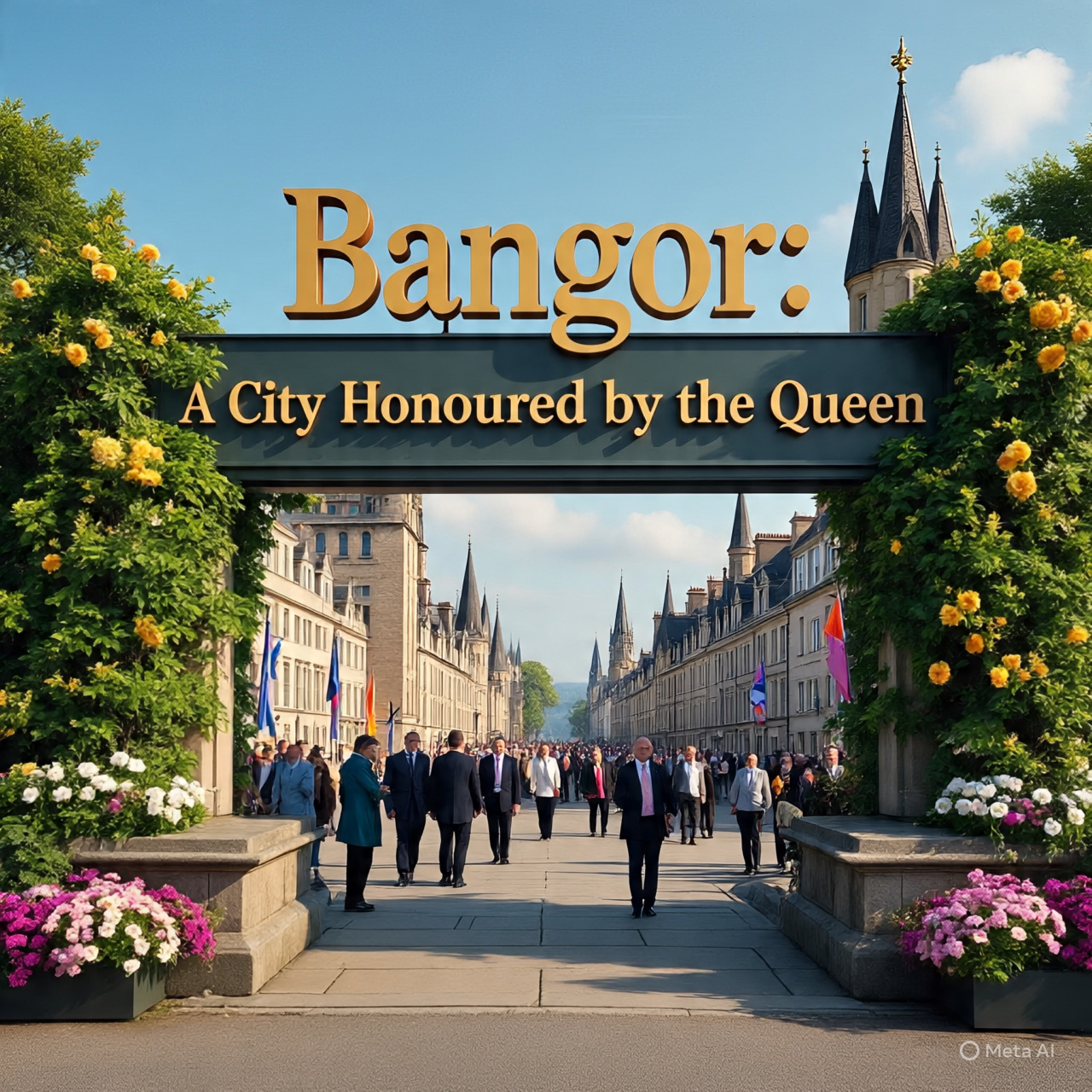
Bangor Granted Prestigious City Status in Honour of the Queen’s Platinum Jubilee

The seaside town of Bangor in County Down, Northern Ireland, has officially been awarded city status as part of the celebrations marking Queen Elizabeth II’s Platinum Jubilee. The historic announcement places Bangor among a record-breaking eight locations across the United Kingdom and British territories to receive this civic honour, highlighting its rich heritage, vibrant community spirit, and long-standing connection to both history and royalty.

For residents and local leaders, the recognition marks a defining moment in Bangor’s journey — one that celebrates its past achievements while opening the door to new opportunities for economic growth, tourism, and cultural development.

Bangor Joins a Record Group of Jubilee City Honours Recipients

The competition for city status, held to commemorate the Queen’s 70 years on the throne, saw communities from across the UK and beyond submit bids showcasing their unique identities and future potential. Bangor’s successful application places it among an unprecedented group of eight new cities.

This year’s competition stands out in history, not only for the number of winners but also for its expanded eligibility. For the first time, applications were opened to the Crown Dependencies and British Overseas Territories, with Stanley in the Falkland Islands and Douglas on the Isle of Man earning city status alongside UK towns.

The remaining new cities include Colchester, Doncaster and Milton Keynes in England, Dunfermline in Scotland, Wrexham in Wales, and Bangor in Northern Ireland. Together, they represent a cross-section of communities whose stories, resilience and ambitions have shaped the national landscape.

Recognition Based on Heritage, Pride and Potential

City status is not determined by population size or the presence of specific landmarks such as a cathedral. Instead, it is awarded based on a location’s heritage, identity, community spirit and potential for growth. Bangor’s bid was centred on three key pillars: heritage, heart and hope.

Local leaders emphasized the town’s deep-rooted history, its proud identity shaped by centuries of cultural and industrial influence, and its strong optimism for the future. These values, they argued, capture the essence of Bangor and the enduring spirit of its people.

Local Leadership Celebrates a Moment of Pride

The announcement was met with enthusiasm by local officials, including Councillor Mark Brooks, mayor of Ards and North Down Borough Council. He described the honour as especially meaningful due to its connection with the Platinum Jubilee celebrations.

Bangor, he said, would be deserving of city status at any time. However, receiving such recognition during a historic moment for the monarchy makes the accolade even more significant.

He thanked everyone who played a role in preparing the application, from community groups and local organisations to residents who have contributed to the life of the town every day. According to the mayor, the collective effort and commitment shown by the people of Bangor were fundamental in demonstrating why the town merits recognition as a city.

The award, he noted, is not simply a title — it is a symbol of pride and validation for a community that has long been defined by its resilience, heritage and potential.

A Town Shaped by History and Maritime Significance

Bangor’s submission for city status highlighted its remarkable historical journey, stretching back to medieval times. The town’s origins are closely tied to monastic influences and Christian heritage, stemming from the founding of Bangor Abbey in the 6th century by Saint Comgall. This early religious centre played an important role in education and religious life throughout the region.

Over the centuries, Bangor grew into a significant coastal settlement, shaped by industry, maritime trade and naval traditions. Its location at the mouth of Belfast Lough gave it both strategic value and economic importance, allowing it to develop as a port and an anchor point for the surrounding area.

A Pivotal Role During the Second World War

Bangor’s historical significance was particularly evident during the Second World War, when it became a key logistical and strategic site for the Allied forces. Its position at the entrance to Belfast Lough made it an ideal base for naval activity.

In May 1944, just weeks before the D-Day landings in Normandy, General Dwight D. Eisenhower, the Supreme Commander of the Allied Forces, addressed approximately 30,000 troops who had gathered in Bangor. His speech marked a crucial moment in the preparations for the invasion, embedding Bangor firmly in the narrative of one of the most significant military operations in modern history.

This connection to a defining moment in world history remains a source of deep pride for residents and was a central element of the town’s successful city status bid.

Strong Royal Links Add to Bangor’s Unique Story

Beyond its wartime significance, Bangor also holds important ties to the British royal family. Over the years, members of the monarchy have visited the town, reinforcing its place within the broader national story.

In 1961, Queen Elizabeth II and the Duke of Edinburgh paid an official visit to Bangor Castle. Following a luncheon at the Royal Ulster Yacht Club, the Duke of Edinburgh even participated in a regatta race, a memorable occasion that underscored the town’s close connection to maritime culture and royal tradition.

Earlier in history, King Edward VII visited Bangor in 1903 as part of his coronation-related tour of Ireland. After his visit, he and Queen Alexandra departed the town aboard the Royal Yacht. These royal engagements have become part of Bangor’s heritage, adding dimension and prestige to its narrative.

Community Spirit at the Heart of Bangor’s Identity

While heritage and royal connections played crucial roles in the application, Bangor’s strong sense of community was equally significant. The town has long been known for its commitment to volunteering, social responsibility and care for its residents.

In 2018, the local council made history by honouring health and social care staff as “freemen of the borough,” becoming the first local authority in Northern Ireland to grant such recognition to healthcare workers. This gesture reflected the town’s appreciation for those who dedicate their lives to serving others and highlighted Bangor’s emphasis on compassion and unity.

These community-driven values were a powerful part of the case for city status, demonstrating that Bangor is not only rich in history, but also actively invested in building a better future for its people.

Government Leaders Welcome the Positive Impact

Following the announcement, Northern Ireland Secretary of State Brandon Lewis welcomed Bangor’s achievement, praising the town’s strong community focus and wide-ranging appeal.

He highlighted Bangor’s beautiful coastline, vibrant marina and growing cultural and arts scene, which has been attracting visitors from across Northern Ireland and beyond. According to him, city status is expected to further strengthen tourism and stimulate economic growth in the area.

The new title is seen as a catalyst for investment and development, opening doors to increased funding opportunities, business expansion and new events that could place Bangor more firmly on the national and international stage.

A Future of Growth and Recognition

Becoming a city represents more than just a symbolic upgrade in status. For Bangor, it marks a turning point that could influence planning, infrastructure development and promotion on a wide scale. The designation is likely to boost the town’s profile, making it more attractive to tourists, entrepreneurs and cultural organisations.

It also gives residents a renewed sense of identity and pride. From its early monastic roots and naval significance to its modern-day community initiatives, Bangor’s journey reflects resilience, adaptation and hope. The award recognises not only what the town has been, but what it can still become.

Conclusion: A Well-Deserved Honour for a Historic Town

Bangor’s elevation to city status is a fitting tribute to its centuries of history, strong community spirit and bright future prospects. Being chosen as part of the Queen’s Platinum Jubilee celebrations makes the achievement even more meaningful, tying Bangor’s story to a defining moment in British history.

Bangor Celebrates New City Status as Residents Embrace a Historic Honour

A Seaside Community Steps Into a New Era

Bangor, the well-loved coastal town in County Down, has officially been granted city status as part of celebrations marking the Queen’s Platinum Jubilee — a distinction that has reignited local pride and stirred a sense of renewed possibility. The announcement placed Bangor among eight successful locations across the UK and beyond, following a competitive civic honours process. For residents and community leaders, the recognition feels both symbolic and deeply personal, reflecting centuries of heritage and an enduring spirit that has carried the town through significant historical milestones.

Community Reaction: Pride and Optimism

Local Leaders Voice Enthusiasm

The response across Bangor has been overwhelmingly positive, with many residents describing the moment as a long-awaited affirmation of what they have always believed the area represents. Geoff Thompson, president of Bangor’s Chamber of Commerce, captured the mood with enthusiasm, observing that the town looked especially impressive the morning the news was announced. He emphasized the importance of the award for raising Bangor’s profile, noting that early feedback had been “very positive” and that residents were eager to embrace their town’s new identity.

“There’s a real sense of pride,” he said, reflecting a sentiment shared widely across the community. Many locals expressed excitement not only about the title itself but about the opportunities it may bring — from tourism growth to increased investment and regeneration efforts that have been years in the making.

A Place With Deep Royal Ties

DUP MLA Stephen Dunne echoed that excitement, highlighting Bangor’s appeal as a place to live, work, and visit. He praised its scenic marina, its coastal walking routes, its independent businesses, and its strong educational offerings. Dunne also underscored Bangor’s longstanding royal connections, noting that the newly named city has hosted several royal visits, particularly given its rich maritime history. To him, the new recognition fits naturally with the town’s past, present, and future.

Bangor Ulster Unionist councillor Craig Blaney went further, calling the transformation a catalyst for new opportunities, particularly for younger generations. Having lived in Bangor his entire life, he described himself as more optimistic than ever about what lies ahead. His comments reflect a widespread belief that the new status could accelerate ongoing development plans and inspire further community-driven initiatives.

A Jubilee Honour With Historic Significance

“Extra Special” Recognition for a Place With Heritage

Mark Brooks, Mayor of Ards and North Down Borough Council, described the announcement as “extra special,” given its connection to the Platinum Jubilee festivities. He noted that city status is not tied to population size or specific architectural features such as cathedrals; instead, it represents heritage, pride, and potential — three qualities that Bangor demonstrated in abundance throughout the application process.

Brooks expressed gratitude to everyone involved in preparing Bangor’s submission, emphasizing that the bid reflected not just written endorsements but also the tangible, ongoing work carried out across the community. He framed the win as a meaningful boost for the borough, one that acknowledges both Bangor’s past achievements and its modern ambitions.

The Foundations of Bangor’s Winning Bid

Built on Heritage, Heart, and Hope

Bangor’s application for city status was anchored in three central themes: heritage, heart, and hope. These pillars painted a comprehensive portrait of a town shaped by early Christian history, industrious development, cultural evolution, and a distinctive maritime character.

The heritage component underscored Bangor’s medieval monastic origins and its important role in Christian scholarship. These roots, together with centuries of innovation and economic activity, helped build a compelling case for the town’s historical significance. Its busy harbour and strategic position at the entrance to Belfast Lough also highlighted Bangor’s longstanding naval importance.

A Wartime Legacy That Endures

Bangor’s role during the Second World War stands out as one of the most compelling aspects of its historical narrative. In May 1944, General Dwight D. Eisenhower addressed 30,000 Allied troops in the town just before vessels departed for Normandy and the D-Day landings. The speech, delivered on Bangor’s shores, remains a defining moment in both local and global history — a reminder of the town’s strategic value and the critical part it played in supporting the Allied effort.

This wartime legacy continues to shape the area’s identity, reflected in its memorials, museums, and the stories preserved by generations of residents.

A Royal Connection Spanning Decades

Visits That Shaped Bangor’s Relationship With the Crown

Bangor’s new status also acknowledges its deep royal ties, which span more than a century. In 1961, Queen Elizabeth II and the Duke of Edinburgh visited Bangor Castle before joining a lunch at the Royal Ulster Yacht Club. Later that day, Prince Philip even took part in a regatta race — a moment still recalled fondly by long-time residents.

Further back, in 1903, King Edward VII and Queen Alexandra sailed from Bangor’s harbour on the Royal Yacht as part of coronation-related travels throughout Ireland. These visits helped solidify the town’s place within the broader framework of royal engagements, reinforcing its cultural and ceremonial relevance.

A Community Defined by Service and Solidarity

Honouring Those Who Care for Others

While Bangor’s historical and royal connections helped strengthen its bid, its modern identity is equally shaped by community spirit. One notable example came in 2018, when the local council awarded “freemen of the borough” honours to health and social care workers — the first such recognition of its kind in Northern Ireland. That decision highlighted Bangor’s appreciation for public service and reflected a collective ethos rooted in compassion, solidarity, and civic pride.

This sense of togetherness, many believe, played a key role in showcasing Bangor as a place defined not just by its past but by its people.

National Perspective on Bangor’s Achievement

A Boost for Tourism and the Economy

Secretary of State for Northern Ireland Brandon Lewis welcomed the outcome, describing Bangor as a community-oriented location with natural beauty, a thriving marina, and an increasingly vibrant arts and cultural sector. He expressed confidence that the new city status would boost tourism and economic growth, opening fresh opportunities for businesses and residents alike.

According to Lewis, the honour is not just ceremonial; it has the potential to serve as a catalyst for positive change across the region.

A Historic Competition Marks New Milestones

Record Number of Newly Named Cities

This year’s Platinum Jubilee competition resulted in a record eight locations being awarded city status. The previous contest, held ten years earlier to mark the Diamond Jubilee, saw far fewer winners. Notably, the 2022 competition was the first to accept entries from Crown Dependencies and British Overseas Territories. This shift expanded the field significantly and led to Stanley in the Falkland Islands and Douglas on the Isle of Man achieving city designation.

The remaining newly named cities — Colchester, Doncaster, and Milton Keynes in England; Dunfermline in Scotland; and Wrexham in Wales — now join Bangor in celebrating a rare honour that carries considerable symbolic weight.

Looking Ahead: A City With Momentum

Bangor’s new title represents not only a celebration of its past but an invitation to envision its future. For residents, civic leaders, and local businesses, the recognition serves as a reminder of the town’s resilience, creativity, and capacity for renewal. As Bangor transitions from seaside town to newly named city, the sense of pride shared by its community suggests the beginning of a new chapter — one defined by opportunity, ambition, and continued connection to the heritage that shaped it.

How a British Innovator and His Folding Bicycle Are Transforming Urban Travel in New York

A Vision to Redefine City Mobility Amid a Worsening Climate Crisis

As cities around the world grapple with rising emissions and an urgent need to adopt sustainable transportation, a folding bicycle — and the British engineer behind it — is quietly reshaping how New Yorkers move. Will Butler-Adams, the dynamic head of Brompton Bicycle, believes that compact, easily portable bikes are not merely a convenience but a crucial tool in the global push to cut greenhouse gas emissions. And in a sprawling metropolis like New York, his vision is gaining momentum.

Urban environments produce a significant share of global emissions, with a large portion tied to everyday, short-distance trips. Transportation experts have long emphasized that replacing these “A-to-B” journeys with cleaner alternatives could dramatically reduce pollution. Yet for millions of commuters, rigid schedules, crowded streets, and space constraints present barriers to adopting cycling as a regular mode of travel. Butler-Adams argues that the solution lies in simplicity, convenience, and smart engineering — values embodied in every Brompton bicycle.

The Moment a Bike Disappears: A Simple Trick With Big Implications

A Commuter Demonstration on the East River

One recent scene illustrates just how transformative the concept can be. Aboard the East River Ferry, surrounded by hurried commuters and tourists, Butler-Adams casually demonstrated what he calls a “simple piece of magic.” With a series of quick, origami-like motions, the full-sized bike he had wheeled on moments earlier shrank to roughly one-third of its original size. Within thirty seconds, it was tucked neatly behind a bench, out of everyone’s way.

To the untrained eye, it may have looked like a clever party trick. But for advocates of micromobility — and for urban planners struggling to ease congestion — it symbolized something far more significant: the possibility of seamlessly blending cycling with ferries, trains, buses, and even office spaces, without inconvenience or compromise.

A British Engineering Success Story With Global Ambitions

The Brompton Legacy

Founded in London nearly half a century ago, Brompton has evolved from a small workshop operation into the United Kingdom’s largest bicycle manufacturer. Under Butler-Adams’s leadership, the company has embraced electric technology, widened its international reach, and refined its mission to focus on healthier, cleaner cities.

The folding mechanism that makes a Brompton so distinctive is not a mere novelty. It is the foundation of a design philosophy that prioritizes compactness and efficiency, allowing riders to bring their bikes indoors, store them under desks, or carry them through public transit hubs. This blend of portability and durability has made Brompton especially appealing in dense cities, where space is limited and theft remains a concern.

Engineering Built for Cities, Not Suburbs

“Most bicycles are designed for sport or leisure,” Butler-Adams has often argued. “We build bikes for real life — short trips, quick errands, daily commutes.”
This approach resonates strongly in New York, where many residents rely on public transit but still need flexible first- and last-mile transport options. With subway stations sometimes blocks apart, and with growing concerns about the reliability of taxis and ride-hailing services, the folding bike offers a predictable, affordable alternative.

New York’s Transportation Challenge in a Changing Climate

Short Trips, Huge Impact

While long-distance travel captures much of the climate conversation, the majority of daily city trips measure less than five kilometres. These small journeys add up, contributing heavily to congestion and air pollution.

Replacing even a fraction of car-based short trips with bicycles — especially electric-assist models like Brompton’s — could greatly reduce emissions. For New York, where traffic delays cost billions annually and trigger high levels of stress among commuters, such a shift could be transformative.

A City Ready for Change

In recent years, New York has invested significantly in building protected cycling lanes, converting street space into pedestrian-friendly zones, and expanding ferry routes. These improvements align perfectly with Butler-Adams’s vision.

Yet infrastructure alone cannot drive behavioral change. Many potential cyclists feel intimidated by traffic, unsure about storage options, or reluctant to commit to a traditional bike they cannot easily bring indoors. This is where the folding bike enters as a practical, confidence-boosting alternative.

Inside the Brompton Factory: Where Innovation Meets Craftsmanship

A Marriage of Tradition and Technology

At Brompton’s London factory, where Butler-Adams often showcases the latest electric models, rows of craftspeople hand-braze the steel frames — a time-honored process rarely used in mass-production environments. The combination of artisanal manufacturing and modern design allows Brompton to maintain strict quality control while still innovating.

The electric version of the folding bike, which Butler-Adams demonstrated on the ferry, embodies this blend. Equipped with a compact motor and battery pack, it offers riders an effortless boost on hills and long stretches, making it ideal for commuters who want to arrive at work without sweating through their clothes.

Designed for Portability, Efficiency and Style

Every detail — from the placement of the battery to the weight distribution — is engineered for functionality. Even the color options and sleek silhouette reflect the company’s goal of creating a product that appeals to both practical commuters and design-conscious urban professionals.

Human-Centered Mobility: More Than Just a Bike

Encouraging Healthier, Happier Cities

Butler-Adams frequently stresses that the folding bike revolution is not only about transportation but also about well-being. Cycling encourages daily physical activity, reduces stress, and brings an element of freedom that no subway or bus can replicate.

In a city where many residents spend hours confined to indoor spaces and screen-heavy environments, a compact, go-anywhere bicycle offers a refreshing alternative.

A Tool Against Urban Inequality

Flexible, affordable mobility also supports social equity. Not everyone can buy a car, afford frequent taxi rides, or live near convenient transit stops. A folding bike can bridge those gaps, enabling access to jobs, education, and community resources without financial strain.

Looking Ahead: Can Folding Bikes Help Cities Meet Climate Goals?

A Scalable, Immediate Solution

While large-scale infrastructure projects and policy changes require years of planning, folding bicycles offer an immediate, low-cost intervention. They demand no major urban redesign, operate without emissions, and adapt easily to existing travel patterns.

For climate-conscious cities — and for New Yorkers navigating the challenges of a rapidly warming planet — such ready-to-roll solutions could play an indispensable role in the transition to cleaner transportation.

A Vision Built on Practicality

Butler-Adams’s mission is grounded in the belief that people will choose sustainable options when they are made easy, convenient, and enjoyable. By fitting seamlessly into daily life, the folding bike removes many of the barriers that discourage cycling in traditional forms.

Conclusion: A Small Fold With a Big Future

From a quick demonstration on the East River Ferry to broader efforts across global cities, the Brompton folding bike represents a compelling vision for the future of urban travel. In a world urgently seeking practical climate solutions, its blend of portability, innovation, and human-centered design positions it as more than just a bicycle — it becomes a key part of a cleaner, more connected urban ecosystem.

As New Yorkers embrace new ways to navigate their city, the simple act of folding a bike may prove to be one of the most powerful tools in reshaping everyday mobility and improving the planet’s trajectory.

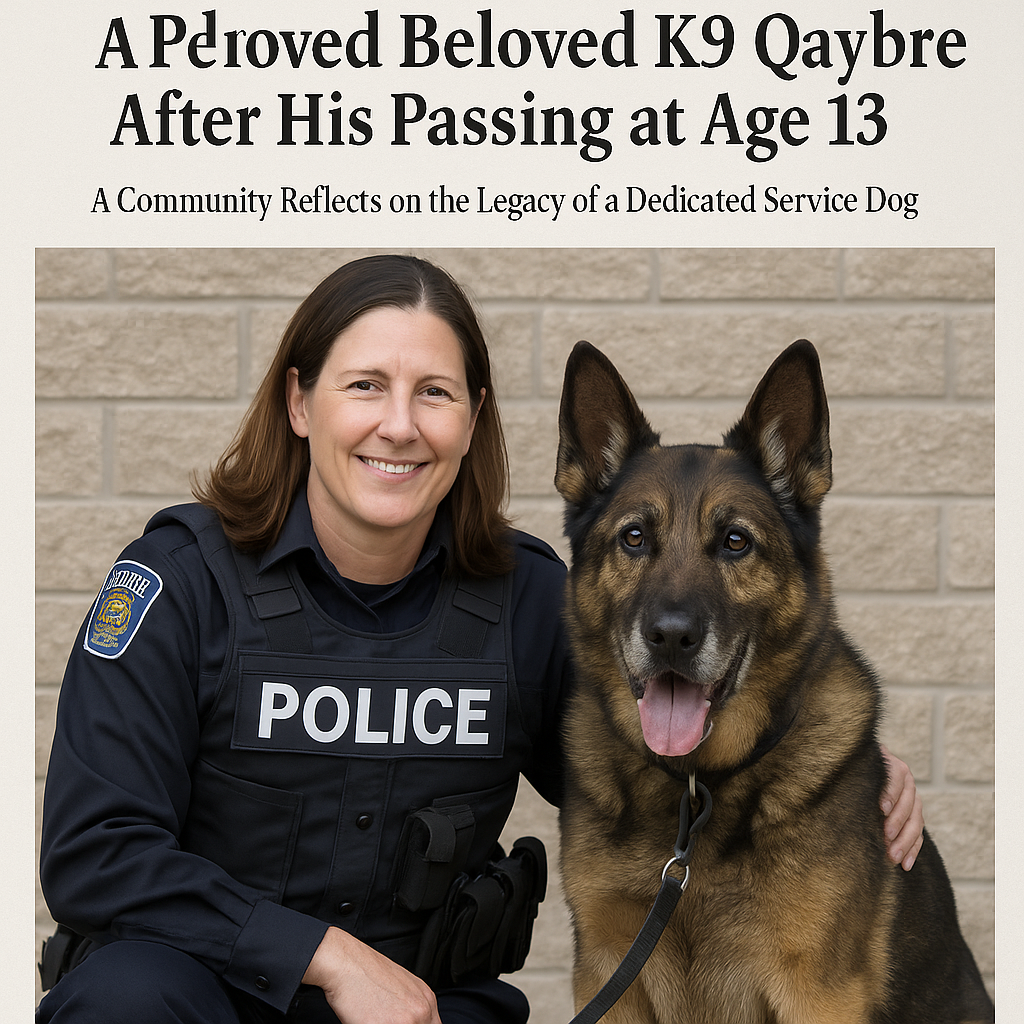
Peel Police Honour Beloved K9 Qaybre After His Passing at Age 13

A Community Reflects on the Legacy of a Dedicated Service Dog

The Peel Regional Police Service is paying tribute to one of its most respected retired working dogs, Qaybre — affectionately known across the region as “Q” — following his death at 13 years old. The news has prompted an outpouring of respect from officers, community members, and those who had followed his remarkable career in Brampton and Mississauga. His passing marks the end of a chapter for a K9 who served nearly a decade on the front lines, assisting in thousands of calls and helping protect countless residents.

A Distinguished Career Shaped by Service

Nearly Nine Years of Frontline Contributions

Qaybre, designated under the call-sign K9-3, served with the Peel Regional Police K9 Unit for close to nine years, working side-by-side with his handler and partner, Sgt. Jennifer Dagg. Throughout his career, he played a critical role in supporting officers across a wide range of investigations, from break-and-enters to robberies to missing-persons cases. According to the police service, Qaybre was involved in thousands of operational calls and contributed to hundreds of arrests.

For officers who worked alongside him, Qaybre was more than a police dog. He was a trusted partner — one who acted with instinct, discipline, and unwavering loyalty. The service noted in a formal release that Qaybre “took handler protection to heart and always had his partner’s back,” a sentiment echoed widely by those familiar with his work. His reliability in high-pressure situations earned him respect within the unit, while his calm demeanor in public engagements made him a favourite during community demonstrations.

A Memorable Final Operation

In the months leading up to his retirement in July 2021, Qaybre participated in one last operation that would come to define the spirit of his service. Responding to a call about a missing elderly man, Qaybre and Sgt. Dagg began an extensive search that stretched over a challenging terrain. After tracking tirelessly, Qaybre located the individual, ultimately saving the man’s life. It was a final act of dedication that symbolized his entire career: determined, focused, and life-preserving.

For many within the service, that rescue remains one of the clearest examples of why police dogs like Qaybre are considered indispensable members of law enforcement teams. His actions demonstrated the critical role trained K9s play in time-sensitive, high-risk incidents — often serving as the difference between tragedy and relief.

Life After Retirement

A Well-Earned Rest With Family

When Qaybre officially retired from active duty in 2021, he transitioned from police life to a peaceful home environment, living with Sgt. Dagg and her family. Retirement for a working dog often requires adjustment, but Q embraced it fully. Police described him as a dog who enjoyed the simple pleasures of his newfound freedom: swimming, playing fetch, and indulging in the occasional steak dinner — a luxury befitting a dog with such an accomplished career.

Those who knew him often remarked on his gentle yet energetic personality. While he was fearless on duty, he transformed into an affectionate, easygoing companion at home. His retirement, though shorter than many had hoped, offered him years filled with comfort and companionship.

A Legacy Etched in the K9 Unit’s History

The Peel Regional Police emphasized that although Qaybre’s retirement was cut short, his impact on the service and the broader community would not fade. In their words, his “exemplary service and significant contributions” will be remembered with “deep respect and heartfelt gratitude.” His legacy now stands alongside the many K9s who have shaped the reputation and effectiveness of the unit across the years.

The Second Loss for the K9 Unit This Year

Remembering Max, Another Honoured Retiree

Qaybre’s passing marks the second loss for the Peel police K9 unit in 2025. Earlier in August, the service announced the death of Max, another retired police dog who lived to 15 years old. Max had concluded his career only a year before his passing and, like Qaybre, had left a meaningful mark on the service.

The close timing of these losses has resonated deeply within the K9 community. Retired dogs, much like retired officers, continue to hold an important place in the hearts of those who served with them. Their departures underscore the bond between handlers and their canine partners — a connection forged through high-stakes situations, rigorous training, and constant teamwork.

Understanding the Role of the Peel Police K9 Unit

A Vital Resource in Investigations

Peel Regional Police maintain a specialized K9 unit consisting of 15 officer–canine teams. These teams undergo extensive training to handle diverse and demanding tasks, including tracking suspects, detecting narcotics or explosives, searching for missing individuals, and supporting tactical operations.

The service regularly highlights the importance of these teams, noting that they are “a vital resource in investigations.” Their expertise allows officers to respond to situations that require specific detection skills or rapid tracking abilities — capabilities that human officers cannot replicate.

New Teams Strengthen the Unit’s Future

In early November, Peel police introduced six new K9 teams, marking one of the largest expansions in recent years. These new teams completed two years of specialized training before joining active duty. Their addition ensures continuity within the unit and reinforces its operational strength following the retirement and loss of long-standing members like Qaybre and Max.

Integrating new K9s into the service also allows experienced handlers to mentor upcoming teams, ensuring that the knowledge gained from years of operations — including the examples set by dogs like Q — continues shaping future training standards.

A Community Remembers

Public Response to the Announcement

News of Qaybre’s passing has prompted reflections across the community, with many residents recalling public demonstrations where Q and his fellow K9s showcased their skills. Social media posts from Peel Regional Police honour his memory, with numerous comments expressing gratitude for his service.

In many ways, Qaybre represented the broader connection between residents and the police service — a visible reminder of the dedication invested in protecting the region. His presence at community events, school visits, and open houses helped build trust and familiarity, especially among children who were often fascinated by the confidence and discipline of police dogs.

The Human Side of Policing

While statistics and achievements illustrate Qaybre’s contributions, his story also highlights the personal dimension of policing. Relationships between handlers and K9s are built on trust, constant training, and shared experiences in often-dangerous environments. Losing a retired service dog can feel, to many within the unit, like losing a fellow officer.

Sgt. Dagg’s partnership with Qaybre spanned the entirety of his career and retirement, making his loss deeply personal. Yet the tributes offered by colleagues and community members alike affirm the lasting value of their teamwork and the admiration it earned.

Looking Ahead While Honouring the Past

A Legacy Carried Forward

As Peel police continue to evolve their K9 program, the legacy of dogs like Qaybre serves as a guidepost. His discipline, instincts, and commitment reflect the standards the unit strives to maintain. With new teams now entering service, the model Qaybre set remains influential — a testament to the importance of seasoned working dogs in shaping training methods and operational expectations.

Final Reflections

Qaybre’s life and career encapsulate the profound impact a police dog can have on a community. From saving lives to solving crimes to strengthening the connection between officers and residents, his contributions were both measurable and meaningful. As the Peel Regional Police Service and the broader community honour his memory, they also celebrate the enduring role K9s play in keeping the region safe.