
A Transformative Vision Emerges for Northeast Brampton: Major Parkland, New Roads, and Industrial Growth Proposed

Introduction: A Turning Point for a Growing Community

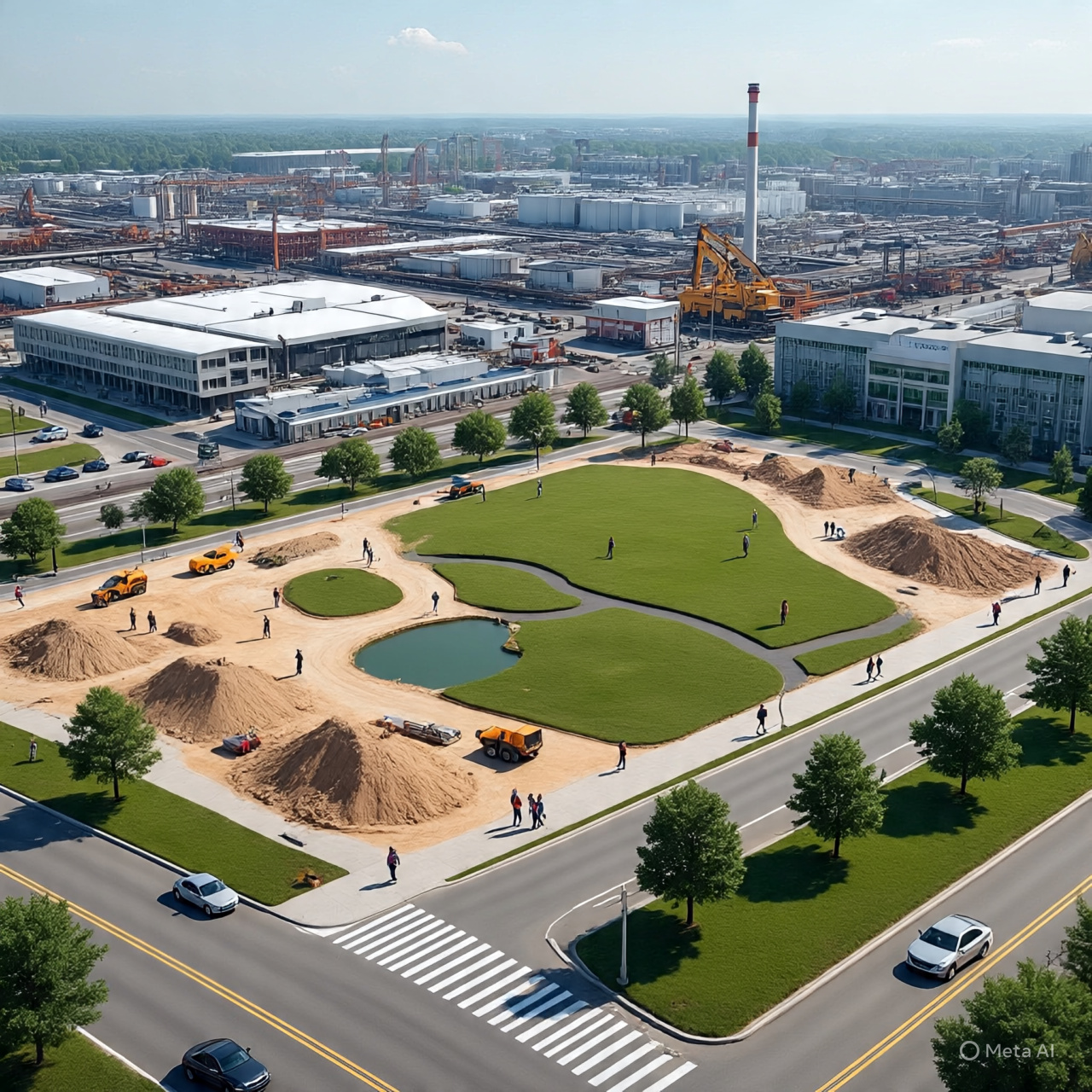
Northeast Brampton is preparing for another significant evolution as a large swath of land near Clarkway Drive and Castlemore Road moves toward redevelopment. City staff are evaluating a proposal that would bring a substantial community park, a new network of public roads, and an industrial district to the area. The plan spans three properties—10491, 10517, and 10411 Clarkway Drive—and could reshape how residents live, work, and move through this part of the city.

Change is always a curious neighbor. It knocks once, twice, then builds an entire park next door. And in Brampton’s case, that knock is sounding louder than ever. As comedian George Carlin once joked, “I put a lot of thought into my ignorance.” Planning reports sometimes feel like that, too—dense, technical, and occasionally mysterious. But when the details finally sharpen, the potential becomes undeniable.

In this case, the potential is wide-ranging. Nearly 16 hectares would be designated for a future community park, while approximately seven hectares of private property could shift from agricultural zoning to industrial. The proposal represents a decisive shift toward long-term urban planning goals, aiming to balance recreation, employment, and infrastructure within a rapidly expanding region.

A Closer Look at the Proposed Land Uses

A Major Community Park at the Core

At the heart of the plan lies an expansive public park—one that could become a defining landmark for northeast Brampton. Sixteen hectares is no small patch of green; it’s the type of space that can accommodate sports fields, trails, event areas, and the kind of everyday moments families carry with them for years.

During a site visit earlier this fall, one local resident, fictional but entirely believable, remarked, “If they build a park that big, my dog might finally forgive me for all those missed walks.” Humor or not, the sentiment speaks to a broader truth: large parks transform neighborhoods. They encourage healthier lifestyles, support community events, and offer a shared backyard for thousands of residents who may live in dense developments.

Rezoning for Industrial Employment

Alongside the parkland is a proposal to convert more than seven hectares of private lands from agricultural to industrial zoning. This shift aligns with Brampton’s long-term economic objectives, designed to strengthen employment corridors and reduce the need for residents to commute long distances for work.

Industrial zoning often conjures images of smokestacks and clattering machinery, but today’s industrial districts are increasingly sleek, high-tech environments. Modern logistics hubs, advanced manufacturing facilities, and data-driven distribution centers now populate these zones. They bring jobs, tax revenue, and critical infrastructure that support a thriving urban economy.

Does the idea of industrial expansion spark debate? Absolutely. Land-use decisions usually do. But the proposal indicates careful planning and the intention to create an area where employment and recreation coexist without conflict.

Infrastructure as the Connective Tissue

The Proposal for New Public Roads

The draft plan of subdivision includes the introduction of new public roads, which would stitch together existing arteries and improve access for both residents and future businesses. This road network is expected to enhance mobility, reduce congestion along major corridors, and prepare the area for long-term development.

Good infrastructure doesn’t often make headlines, yet it remains one of the most powerful catalysts for growth. A well-connected neighborhood attracts investment, supports safe travel, and reduces the logistical barriers that sometimes discourage businesses from setting down roots.

In my own fictionalized moment of urban-planning discovery, I once spent twenty minutes circling a construction zone trying to find a detour—only to end up exactly where I started. When I mentioned this to a city planner friend, he laughed and said, “That’s why roads matter more than people realize.” He wasn’t wrong. Roads shape behavior as much as destinations do.

The Planning Process Underway

City staff are currently reviewing amendments to both the official plan and the zoning bylaw. These amendments must be approved before any transformation begins. The review also includes an assessment of the proposed subdivision layout, ensuring it meets municipal standards and aligns with the broader vision for the region.

What Reviewers Consider

  • Environmental impact: How will the changes affect natural features, water movement, and ecological systems?

  • Transportation needs: Can the existing network support new demands, or are upgrades necessary?

  • Compatibility: How will industrial activities coexist with nearby residential and recreational spaces?

  • Long-term growth: Does the plan support sustainable development rather than short-term fixes?

Even the most straightforward redevelopment proposal undergoes layers of scrutiny. Urban development is not unlike assembling a puzzle where the edges keep shifting. Each new piece must fit logically into the broader picture.

Why This Proposal Matters

A Balanced Vision for Growth

Brampton continues to grow at a remarkable pace, and with growth comes the responsibility to plan carefully. This proposal reflects an attempt to balance competing needs: recreation, employment, mobility, and community identity.

Strengthening the Northeast Corridor

Northeast Brampton has long been poised for strategic development, and the combination of parkland and industrial zoning may anchor future projects. As urban areas expand, the need for employment zones near residential neighborhoods becomes more urgent. Residents who can work close to home enjoy better quality of life, reduced commuting stress, and more time with family.

A Community Landmark in the Making

Parks offer more than fresh air and open space. They become symbolic centers of neighborhood life—places where children learn to ride their first bikes, where weekend soccer matches test friendships, and where festivals bring neighbors together. In a fast-growing city, parks serve as grounding forces.

Potential Questions Residents May Ask

How will traffic be affected?

Transportation studies will guide decisions, ensuring new roads reduce rather than increase congestion.

Will industrial development impact noise or air quality?

Modern industrial districts often operate within strict environmental standards. The review process will assess these impacts to ensure compliance.

When might construction begin?

Timelines remain uncertain until the official plan amendments and zoning changes receive full approval.

Residents often approach planning proposals with a mix of curiosity and skepticism. It’s natural. After all, these changes shape daily routines, property values, and community dynamics. Yet, thoughtful long-term planning often yields benefits that unfold gradually—sometimes so smoothly that people only notice years later how much their neighborhood has improved.

Conclusion: A Step Toward Brampton’s Future

The proposal for 10491, 10517, and 10411 Clarkway Drive marks an important moment for northeast Brampton. With nearly 16 hectares dedicated to a major community park and more than seven hectares slated for industrial development, the vision combines recreation, economic vitality, and infrastructure upgrades in one comprehensive plan.

Residents may soon find themselves enjoying expansive green spaces, navigating well-designed road networks, and benefiting from new employment opportunities. Even small steps toward change can feel monumental when they contribute to a stronger, more resilient community.

Brampton Reconsiders Stop-Arm Cameras to Prevent Illegal Passing of School Buses

Introduction

Brampton city council is revisiting a safety initiative aimed at protecting children as they board and exit school buses, proposing the possible installation of stop-arm cameras on buses operating within city limits. The technology, designed to identify and penalize drivers who illegally pass school buses while their stop arms and flashing lights are engaged, is being reconsidered after a similar regional effort in Peel was shelved two years ago.

With pedestrian and student safety remaining a growing concern, councillors believe this renewed approach may serve as an effective deterrent — despite past obstacles related to cost, technology compliance, and program feasibility. The move also follows recent changes in provincial policy regarding automated enforcement in school and community safety zones.

Council Directs Staff to Study Feasibility

At a recent meeting, Brampton council officially directed staff to investigate the feasibility of adding stop-arm enforcement cameras to school buses. The study will consider legal requirements, potential costs, operational implications, and the anticipated safety impact of such a program.

Coun. Michael Palleschi, who represents Wards 2 and 6, introduced the idea as a way to reinforce protections for students. He has long supported the use of this technology, having previously worked on implementing a version of the program during his time with Peel Region.

“Even when it didn’t move forward at the regional level, I believed there was still an opportunity for Brampton to take independent action,” Palleschi told council. “Our priority must be ensuring children can get on and off their buses without facing reckless drivers.”

City staff are expected to present their findings to council sometime next year, at which point members will determine whether to advance the program.

A Technology That Has Been Approved — But Not Implemented

Stop-arm cameras were approved for municipal use by the Ontario provincial government in 2017. These cameras are designed to record license plates of vehicles that fail to stop when a school bus has its stop arm extended. Under the Highway Traffic Act, drivers must stop for school buses when red lights are flashing, regardless of the direction of travel, with limited exceptions on divided roadways.

In 2021, Peel Regional Council approved a region-wide plan that would have equipped school buses across Brampton, Mississauga, and Caledon with the technology. The plan involved a partnership between the Student Transportation of Peel Region (STOPR) and BusPatrol Inc., a company that provides stop-arm camera solutions in various jurisdictions.

Despite initial support, the initiative stalled due to concerns about legal compliance, implementation structure, and cost complications. By January 2023, the region officially ended negotiations with BusPatrol, and the camera program was discontinued before any equipment could be installed.

Why the Peel Program Fell Apart

According to Joe Avsec, Peel Region’s acting director of transportation transition, several issues prevented the previous plan from moving forward. While negotiations took place with BusPatrol and other stakeholders, the proposed program model did not fully comply with provincial guidelines.

“Regional council was very clear that the program had to meet all legal standards, be cost neutral, and align with local court capacity,” Avsec explained. “Unfortunately, the model being proposed didn’t meet those criteria, and the parties were unable to reach an agreement that worked for all sides.”

This led Peel Region to discontinue the plan entirely. Instead, the region opted to rely on other safety improvements mandated by Transport Canada, including extended stop signal arms and rear-facing cameras installed on newer school buses.

Are Stop-Arm Cameras Actually Effective?

Skepticism about the effectiveness of stop-arm cameras has played a role in delaying similar programs elsewhere. Peel officials pointed out that, in many instances, safety concerns around school transportation arise from mechanical or operational issues with the buses themselves — not just from passing vehicles.

Transportation officials have suggested that only a portion of school bus-related incidents involve illegal passing. Additional measures already in place, such as increased driver awareness campaigns, enhanced signage, community safety zones, and targeted police enforcement, are believed to reduce risks for students.

However, supporters of stop-arm cameras argue they are a proven deterrent in regions where the technology has been fully adopted. By introducing owner-liability penalties, the system ensures that a fine can be issued even when police are not present at the time of the offence.

Owner-Liability Could Increase Compliance

Under Ontario law, passing a stopped school bus with its stop arm extended is an owner-liable offence, meaning the registered vehicle owner is responsible if the driver is not immediately identified. This makes automated enforcement particularly effective, as it eliminates the need for an officer to physically stop the vehicle in every instance.

Peel Regional Police have expressed openness to the use of stop-arm cameras in Brampton. Const. Tyler Bell-Morena, a media spokesperson for the service, confirmed that police currently receive complaints through online reporting tools and from citizens using dash cameras.

“When reports include clear footage with date and location data, we can investigate and in some cases lay charges,” he said. “But having dedicated stop-arm camera systems would be a very helpful addition for enforcement.”

Cost Could Be the Biggest Hurdle

Despite the renewed interest, councillors are fully aware that a stop-arm camera program would require a significant upfront investment. The cost of equipping each school bus with camera technology could amount to thousands of dollars per unit, raising questions about who would pay for installation, maintenance, and data processing.

Palleschi acknowledged that this financial reality is one of the biggest challenges facing the project.

“What we may not like is the overall cost,” he stated. “Bus operators are unlikely to shoulder the entire expense, and the city also has to consider whether this fits into its broader budget priorities.”

Potential funding models being examined include revenue sharing from issued fines, partnerships with transportation providers, and phased implementation focused on high-risk zones around schools.

Public Safety vs. Budget Constraints

The growing debate underscores a common challenge municipalities face: balancing financial limitations with public safety expectations. Parents, school administrators, and community advocates have consistently called for stronger enforcement against drivers who endanger children.

In areas where similar programs exist, officers and educators have reported increased driver compliance once the cameras are introduced. Signs posted on buses and roads that warn of automated enforcement can also have a preventative effect, even before fines are issued.

From a policy perspective, supporters say that even one injury or fatality on a school route is too many — making every reasonable step toward prevention worth considering.

Conclusion

Brampton’s decision to explore stop-arm cameras represents a renewed commitment to improving road safety for the city’s most vulnerable residents — its children. While a similar initiative failed at the regional level in the past, advancements in technology, changes in public expectations, and increasing concerns about road behavior have sparked fresh interest in the idea.

The upcoming feasibility report will play a critical role in shaping the future of the program. It will answer key questions about cost, legality, implementation, and long-term sustainability. Until then, Brampton council remains cautiously optimistic that a clear, workable path can be found.

Brampton Begins the Week with Clear Skies, Chilly Temperatures, and Key Highway Closures

A Calm but Cold Start to Monday

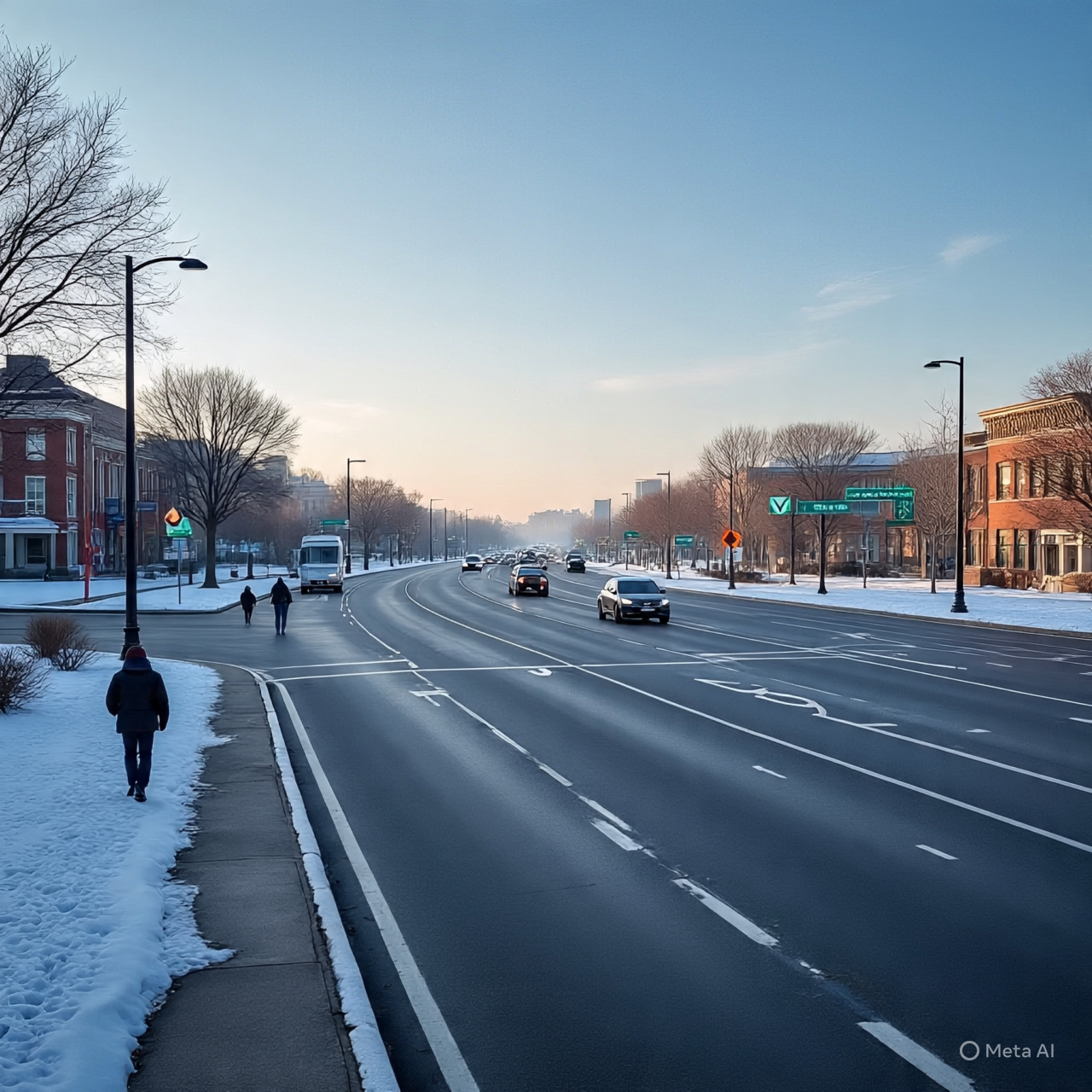
Brampton residents are stepping into the second week of December with a mix of crisp winter air and mostly clear skies. According to Environment Canada, the city is experiencing a calm and bright Monday morning under largely clear conditions, with temperatures hovering near –5 C. While the weather is stable, commuters are being advised to plan ahead as multiple highway closures may affect travel times across the region.

The early December cold snap continues to settle across southern Ontario, bringing temperatures below seasonal averages and reminding residents that winter is well underway. As Brampton prepares for a week of seasonal weather, local traffic patterns and roadway conditions are shaping the morning commute.


Highway Closures Affecting the Greater Brampton Area

Major Routes Facing Disruptions

Motorists travelling in and around Brampton today are being asked to exercise caution due to a series of closures impacting some of the region’s busiest highways. Portions of Highway 10, Highway 403, and the Queen Elizabeth Way (QEW) are reported to be shut down for scheduled maintenance and ongoing infrastructure work.

While the closures are expected to be temporary, they may have a noticeable effect on morning and afternoon travel times. Drivers are encouraged to allow for extra time, consider alternate routes, and stay informed through real-time traffic updates.

Why the Closures Matter

These highways serve as vital transportation arteries, linking Brampton’s residential communities with employment hubs, commercial centers, and neighbouring municipalities. Highway 10, a key north–south route, funnels steady traffic through the city and into Mississauga. Highway 403 provides essential east–west connectivity, while the QEW acts as a major corridor toward Toronto and Niagara.

When any combination of these three highways experiences disruptions, ripple effects can extend across Peel Region and throughout the GTA. Commuters, commercial drivers, and holiday-season shoppers may all feel the impact.

Managing the Morning Commute

Transportation officials continue to advise drivers to track conditions through Ontario’s 511 service or their preferred navigation apps. Even with clear morning weather, early winter can bring unexpected patches of frost or reduced friction on untreated roadways. Slower speeds, increased following distances, and heightened attentiveness remain crucial during December travel.


Weather Expectations for the Day and Night

Chilly Conditions Persist Throughout the Day

Though the skies remain primarily clear, the temperature is expected to stay low across Brampton. Environment Canada predicts a daytime high of –5 C, a reminder that the coldest months are approaching. Residents heading out early this morning will likely notice the distinctly sharp winter air, especially in open areas exposed to wind.

This cold, however, does not come with active snowfall or precipitation—an advantage for commuters and pedestrians alike. The dry conditions should offer improved visibility and safer walking routes compared to stormier December days.

A Cloudy and Colder Evening Ahead

As the day progresses, Brampton’s weather will shift toward increasing cloud cover. Tonight’s forecast calls for mainly cloudy skies and a nighttime low of approximately –10 C. These conditions may contribute to a cooler and more overcast night, with temperatures dipping into levels where frost becomes more likely on vehicles, sidewalks, and untreated surfaces.

Residents preparing for Monday evening errands or late-night commutes should plan for an extra few minutes to warm up their vehicles or scrape frost from windshields. The steady cold may also prompt homeowners to check their heating systems and ensure winter equipment—such as shovels, de-icing salt, gloves, and insulated clothing—is ready for use.


Broader Context: Early December Weather Trends in Brampton

Seasonal Patterns Emerging

Brampton’s early December temperatures are settling into a pattern that aligns with typical winter onset in southern Ontario. Daytime highs below freezing and crisp morning conditions are expected to continue throughout the month. While significant snowfall has not yet covered the region, the city may soon see more typical winter precipitation as the season develops.

Historically, the first substantial snow accumulation often appears between mid- and late December. This means the current calm weather could be a brief pause before more dynamic winter systems arrive.

Preparing for What’s Ahead

With winter driving conditions just beginning, road maintenance crews typically increase monitoring and readiness. Residents may soon observe more salt trucks, plows, and winter road-prep vehicles across major routes. Local businesses and homeowners often take this time to finalize winter preparations, from switching to seasonal tires to ensuring walkways are safe and accessible.


Local Interest: A Busy Holiday Period Approaches

Seasonal Activities Underway

With the holiday season fast approaching, Brampton is entering one of its busiest stretches of the year. Retail centres such as Bramalea City Centre, Shoppers World, and local shopping districts expect heightened foot traffic this week as residents shop for gifts, groceries, and festive supplies.

Clear weather may encourage more people to head out during the day, though the colder evening temperatures may prompt an early rush for those hoping to avoid nighttime chills. Businesses throughout Brampton’s downtown and suburban neighbourhoods anticipate a strong turnout from residents eager to support local shops and participate in community events.

Community Services Remain Active

Despite the seasonal slowdown in some sectors, municipal services—including waste collection, transit operations, and public facilities—continue to operate normally. The City of Brampton typically releases seasonal reminders during December, encouraging residents to review winter parking bylaws, snow-clearing guidelines, and holiday schedule changes for city-run centers and recreational facilities.


Traffic Safety Tips for Winter Travel

Staying Safe on the Roads

With the combination of cold temperatures and active road construction, Brampton drivers can take several precautions to ensure safer travel:

  • Monitor real-time updates: Using reliable traffic apps helps avoid bottlenecks caused by highway closures.

  • Prepare vehicles for winter: Maintaining tire pressure, topping up washer fluid, and checking battery conditions are essential for cold-weather performance.

  • Drive at appropriate speeds: Even with clear skies, road surfaces can be colder than the air, increasing the risk of black ice.

  • Allow additional commute time: Early departures reduce the need for rushed decisions, especially when navigating detours.

Public Transit as an Option

For those looking to avoid driving altogether, Brampton Transit continues to run full service throughout the weekday. While colder temperatures can make waiting at stops uncomfortable, transit remains a practical option when major highways face disruptions. Riders are encouraged to dress warmly and check service updates through official channels.


Conclusion: A Clear but Cold Monday Marks the Start of a Busy Week

Brampton enters Monday with a mostly clear morning sky and steadily cold temperatures that signal winter’s firm arrival. As commuters contend with closures on Highway 10, Highway 403, and the QEW, the day unfolds with a blend of weather stability and transportation challenges. With today’s high reaching –5 C and tonight’s low dipping to –10 C under cloudy skies, the city is preparing for a week that mirrors the classic onset of December in Ontario.

Residents are encouraged to stay informed about traffic conditions, plan travel with winter safety in mind, and make the most of the clear skies while they last. With the holiday season ramping up, Brampton’s roads, businesses, and community spaces will remain active—and today’s calm weather offers a gentle start to a bustling week ahead.

Major Recycling Overhaul Coming to Peel Region in 2026: What Residents Need to Know

As Peel Region prepares for one of the most significant transitions in its waste management system, residents of Mississauga, Brampton, and Caledon can expect notable changes to how recycling is funded and managed — though their day-to-day routine at the curb will largely remain familiar. Beginning January 1, 2026, the responsibility for residential recycling will shift from the Region of Peel to Circular Materials, a national non-profit organization tasked with overseeing the province’s Extended Producer Responsibility (EPR) program.

This new model marks a major policy shift designed to make producers more accountable for the full life cycle of their packaging and paper products. While the transition will largely occur behind the scenes, it represents a fundamental restructuring of Ontario’s recycling system — one that aims to deliver more efficient operations and long-term environmental benefits.


Understanding the 2026 Recycling Transition

A Province-Wide Shift in Responsibility

The move to Circular Materials stems from the Ontario government’s Extended Producer Responsibility (EPR) framework, which requires manufacturers and producers to take full financial and operational responsibility for recycling the packaging and printed paper they create. Under this model, producers are no longer merely contributors to municipal recycling programs; instead, they become the primary managers.

For residents, this means that while Peel Region will no longer oversee collection and processing, the familiar services at the curb will continue uninterrupted — albeit under a new operating structure.

Who Is Circular Materials?

Circular Materials is a national, producer-led non-profit organization established to implement and administer recycling systems on behalf of companies that manufacture and distribute packaging. The organization already operates similar programs in other provinces, and Ontario’s transition represents a major step in harmonizing recycling efforts across Canada.

Circular Materials is responsible for coordinating curbside collection, handling recyclable materials, and ensuring producers meet regulatory requirements.


What Stays the Same for Peel Residents?

Blue Bins Remain in Use

Despite the administrative overhaul, residents will continue using their blue recycling bins exactly as they do today. There is no need to replace containers, adjust sorting habits, or purchase new equipment.

Same Pick-Up Schedule

Waste collection days, timing, and frequency are expected to remain consistent during the transition. Circular Materials will rely on many of the current systems already in place to minimize disruption.

Accepted Materials Will Largely Remain Familiar

While updated guidelines may be introduced over time — particularly as producers work toward standardizing recyclable materials — the list of accepted items is not expected to change immediately on January 1. The objective is to provide continuity while enhancing recycling outcomes gradually.


What Will Change Behind the Scenes?

Producers Become Accountable for Costs

Under the new EPR model, producers of packaging and paper products will fund the full cost of residential recycling. This includes:

  • Curbside collection

  • Sorting and processing

  • Marketing of recyclable materials

  • Administrative operations

This shift aligns Ontario with global standards seen in jurisdictions across Europe, where producer responsibility has long been a cornerstone of waste management.

Improved Efficiency and Standardization

By placing responsibility directly on producers, the province aims to encourage:

  • More recyclable packaging designs

  • Investment in modern recycling technologies

  • Consistent standards across municipalities

Circular Materials has indicated its goal of creating a more streamlined, predictable recycling system that reflects the needs of today’s consumers and packaging trends.

Regional Role Significantly Reduced

Peel Region, which has managed recycling operations for decades, will step back from overseeing curbside collection. However, the region will continue to play a role in community education and may collaborate on public communication during the transition.


Why This Shift Matters

Environmental Impact

The new model is intended to:

  • Increase recycling rates

  • Reduce contamination

  • Encourage eco-friendly packaging choices

  • Move more materials into a closed-loop recycling system

By giving producers ownership over the materials they introduce into the marketplace, Ontario aims to reduce waste and promote sustainable product design.

Economic Considerations

Long-term financial benefits are also anticipated. As producers assume costs previously held by municipalities, local governments may eventually reallocate funds toward other community services. For residents, this could mean more stable waste-related budgets over time.


Preparing for the 2026 Transition

No Immediate Action Needed from Residents

Residents do not need to register for new services, change collection routines, or alter how they sort their materials. Circular Materials has emphasized that transparency and minimal disruption are key priorities throughout the transition.

Watch for Updated Guidelines in 2026

Although early 2026 will not bring radical changes to what can be placed in the blue bin, residents may begin to see updated guidelines, educational materials, and standardized instructions later in the year. These updates will be designed to make recycling simpler, clearer, and more efficient.


Looking Ahead: What the Future Holds for Peel’s Recycling System

The transition to Circular Materials marks the beginning of a new era for recycling in Peel Region. With producers taking the lead, Ontario aims to create a more responsive and environmentally responsible recycling system — one that keeps pace with changing packaging trends and the growing need for sustainable solutions.

While the full impact of the EPR system will unfold gradually, the move represents a decisive step toward modernizing waste management across the province. Peel residents can expect a smoother, more consistent recycling experience over time — with the same blue bins they rely on today.


Conclusion

As Mississauga, Brampton, and Caledon prepare for the January 1, 2026 transition, the message to residents is clear: your recycling routine remains the same, but the system behind it is becoming stronger and more sustainable.

By shifting responsibility to producers and entrusting program operations to Circular Materials, Ontario is reshaping how recycling works — aiming for improved outcomes, reduced waste, and a cleaner environmental footprint for years to come.

Inside a Turbulent Era for Canada Basketball: Raptors Roots, Controversy, and Allegations of Racism

Introduction

Canada Basketball, today celebrated as a powerhouse on the global stage, endured a period of turbulence in the 1990s marked by organizational growing pains, missed opportunities, and controversial allegations of racial bias. An excerpt from Toronto-based journalist Oren Weisfeld’s new book, “The Golden Generation: How Canada Became a Basketball Powerhouse”, chronicles the organization’s evolution from obscurity to prominence, highlighting pivotal moments that shaped Canadian basketball’s identity — both on and off the court.

From the country’s bold hosting of the 1994 FIBA World Championship to the rise of future NBA stars and deeply rooted controversies surrounding team selection, the era illustrates the complexities of a national program striving for global recognition.


The 1994 FIBA World Championship: A Turning Point

Canada Steps In as Host

Originally slated to take place in Belgrade, Serbia, the 1994 FIBA World Championship was forced to relocate after the outbreak of civil war in Yugoslavia in 1991. Boris Stankovic, FIBA’s head, reached out to Canadian businessman John Bitove to gauge whether Canada could host the tournament. Recognizing the opportunity, Bitove insisted that the event would only be worth pursuing if NBA players were permitted to compete, ensuring fan interest and media attention.

The success of the 1992 Barcelona Olympics, where the U.S. Dream Team — featuring legends like Michael Jordan and Magic Johnson — captivated global audiences, underscored the importance of professional talent in drawing fans. Securing NBA participation, Bitove collaborated with Canada Basketball CEO Rick Traer to raise $13 million and successfully host the 11-day tournament across Toronto’s SkyDome, Maple Leaf Gardens, and Hamilton’s Copps Coliseum.

Record Attendance and Financial Success

The championship set a world record for ticket sales, with 332,334 spectators attending games, including 32,000 for the gold medal match. The event not only broke even financially but also generated a 40 percent profit for Canada Basketball, stabilizing an organization previously on the brink of collapse. One year later, Bitove leveraged his connections and experience to become the founding owner of the Toronto Raptors, underscoring the championship’s long-term influence on Canadian basketball.

Steve Nash Emerges

The tournament also marked the international debut of a 20-year-old Steve Nash, who impressed despite Canada finishing seventh in a 16-team field. “We spent all our time trying to get Rick Fox freed up to play,” Bitove recalled. “Lo and behold, Steve Nash stole the show.”

Despite Nash’s emergence, Canada’s seventh-place finish, combined with media criticism and a lack of genuine fan support, highlighted the challenges facing the sport in the country. Many fans attended games to support other national teams rather than Canada, reflecting both Canada’s multicultural population and the relative niche status of basketball at the time.


Structural Challenges and Allegations of Racial Bias

A West Coast-Centric System

The national team, led by head coach Ken Shields, primarily drew players from the West Coast and U Sports programs. Shields’ methodical, inside-out offensive style emphasized discipline and fitness but often overlooked the speed, creativity, and improvisational talent of inner-city players from Toronto and Montreal, who had developed their skills in urban streetball environments.

Former assistant coach Eddie Pomykala noted, “Let’s be honest: the national teams were white teams.” Only five Black players were on the roster, highlighting a lack of representation that would spark later allegations of systemic bias.

Marginalization of Black Players

Concerns intensified when top-tier players such as Cordell Llewellyn and Wayne Yearwood were cut ahead of the 1994 championship, despite proven talent and prior national team experience. Llewellyn claimed, “They have a preconceived opinion of Black players. It’s not my game that got me cut; it’s because they think if you have Canada written across your chest, you have to be white.”

Yearwood echoed these sentiments, describing cultural misunderstandings and perceived stereotypes that influenced team selection. Former journalists and board members later documented similar complaints, revealing tension between Canada Basketball’s administration and players from diverse urban communities.


Media Scrutiny and Institutional Response

Globe and Mail Exposé

Shortly after the tournament, the Globe and Mail published a story highlighting the exclusion of Black players from Toronto and alleging that Canada Basketball systematically favored white athletes. The resulting controversy prompted Canada Basketball to commission an independent review led by Caribbean-Canadian diplomat Cal Best.

The review, which included interviews with over 60 individuals, concluded that race did not officially influence team selection. Shields also successfully sued the newspaper for defamation, leading to a retraction. However, the investigation recommended reforms, such as splitting the roles of head coach and program director, increasing minority coach participation, and expanding open tryouts nationwide.

Lasting Impact

While the review absolved Shields personally, it exposed deeper organizational shortcomings and a culture resistant to diversity and urban basketball styles. Freelance journalist Laura Robinson noted that systemic issues, including lack of representation and oversight by out-of-touch board members, hindered equitable development opportunities for players of color.


Legacy: Growth Amid Controversy

Bridging the Gap Between East and West

Despite the setbacks of the 1990s, Canada Basketball evolved over the following decades. The arrival of NBA franchises — the Toronto Raptors and Vancouver Grizzlies — helped popularize the sport domestically. Urban players from Toronto and Montreal increasingly entered the NCAA and professional leagues, enriching the national talent pool.

Modern-Day Inclusivity

Today, Canada Basketball is recognized for selecting the best players regardless of race or geography. Black executives occupy leadership roles, and the program prioritizes inclusivity and meritocracy. Yet, as Oren Weisfeld notes, the shadow of earlier allegations lingered for years, shaping public perceptions and the aspirations of young athletes across the country.


Conclusion

The 1990s were a defining, if turbulent, period for Canadian basketball. From hosting the FIBA World Championship and launching the Raptors to grappling with allegations of racial bias, the era revealed both the promise and the shortcomings of the national program.

Players, coaches, and journalists alike witnessed a system in transition — one striving to compete internationally while reconciling internal cultural and structural biases. The lessons learned during this time ultimately laid the foundation for Canada’s modern success, shaping a national basketball identity that is increasingly diverse, competitive, and globally respected.

While controversy and missteps were abundant, the period remains a crucial chapter in the country’s journey to becoming a basketball powerhouse. It underscores the importance of inclusivity, transparency, and adaptability in building a program capable of nurturing talent from coast to coast.